A field journal of feeling
Architecture isn't what a space looks like. It's what it does to you.
Lived In documents how people actually feel inside built environments — through voice, photos and words — and reads those feelings into evidence designers can build with.

The details people remember — light, shade, echo, warmth.
The public atlas
Spaces people have documented


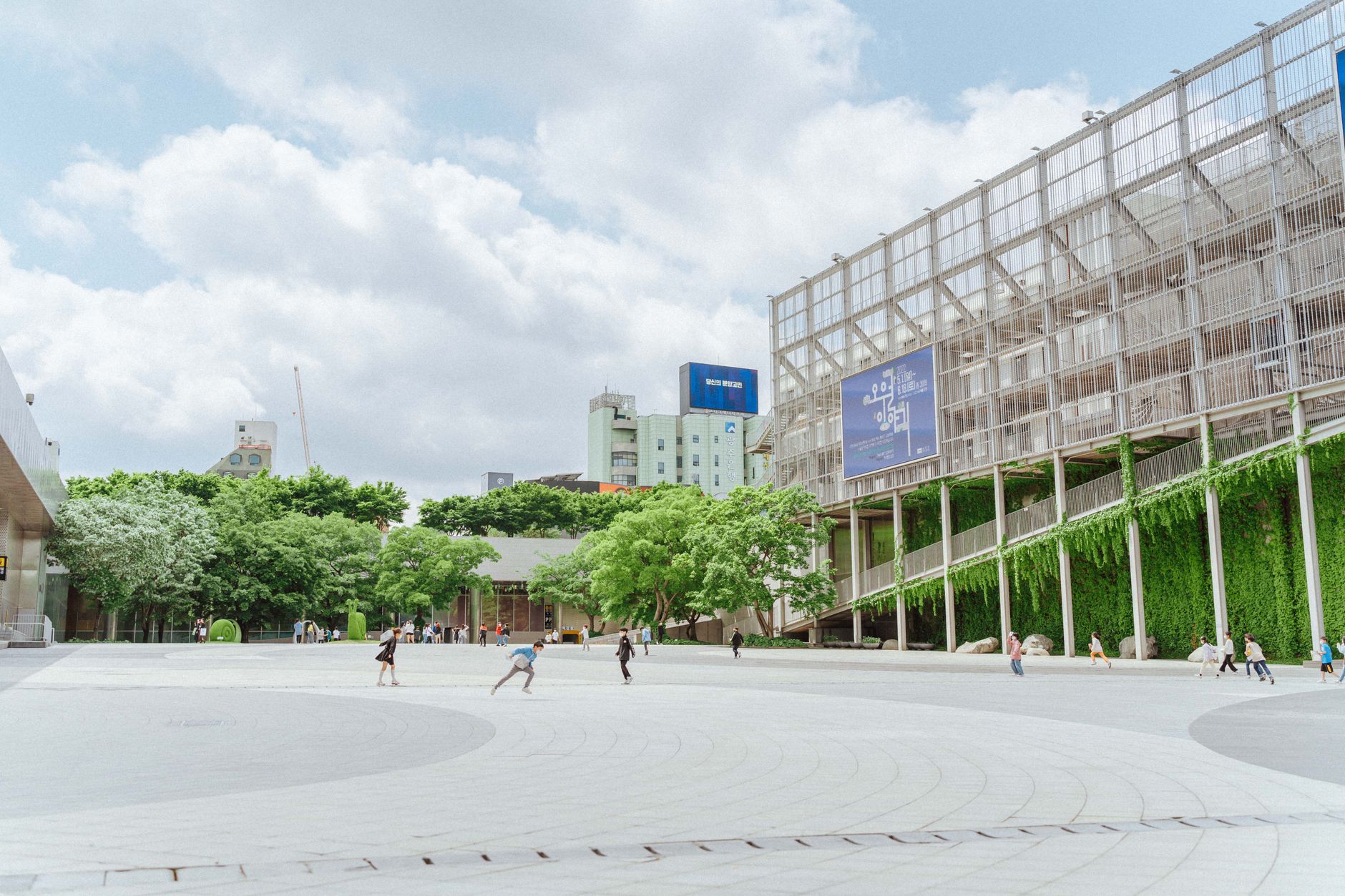
The emotional lens
What people feel, in aggregate
6 observations across 3 public places, each read by AI for its emotional signature.
Recurring drivers
- no shade canopies or trees on the western half1×
- pale stone paving with high reflectivity1×
- heat radiating from the ground plane1×
- market stalls creating rich walkable edges1×
- shared picnic tables1×
- active frontage from surrounding arcades1×
- afternoon sun through the street window1×
- warm timber and brick surfaces1×
How Leftin works
Speak, write, photograph
Standing in a plaza or a stairwell, you record what the space does to you — in your own words, your own voice.
AI reads the feeling
Leftin transcribes voice notes and maps every observation onto five emotions — comfort, anxiety, belonging, isolation, excitement.
Designers get evidence
Across many voices, patterns emerge: where shade is missing, where strangers talk, where nobody lingers after dark.
The research platform